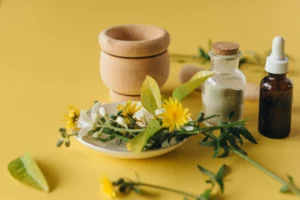
A Natural Treasure for Our Health
Mother tinctures, liquid concentrates of medicinal plants, represent a powerful and ancestral way to harness the healing benefits of nature. In this article, we will explore their history, effectiveness, and modern applications.
Background of plant-based medicine
Phytotherapy, or the use of plants for medicinal purposes, has its roots in the dawn of human civilization. From ancient Egypt to traditional Chinese medicine, cultures around the world have relied on the healing properties of plants for millennia. This knowledge, passed down from generation to generation, has evolved to become the foundation of many modern treatments.
Recognition of natural medicine
In recent decades, there has been a resurgence of interest in natural medicine, including the use of mother tinctures. The World Health Organization (WHO) recognizes the importance of traditional and complementary medicine, and many countries have begun to integrate these practices into their health systems. This recognition is partly due to the growing scientific evidence supporting the efficacy of many natural remedies.
How do mother tinctures heal us?
Mother tinctures act in various ways to promote health and well-being:
- Concentration of active principles: By extracting beneficial compounds from plants in a concentrated liquid form, mother tinctures offer an efficient way to administer active ingredients.
- Rapid absorption: The liquid form allows for faster and more complete absorption of active principles in the body.
- Synergistic effect: Mother tinctures contain multiple compounds that can work in synergy, enhancing their beneficial effects.
- Versatility: They can be used internally or externally, depending on the specific need.
Active Principles of Mother Tinctures
The active principles in mother tinctures are the key components responsible for their therapeutic effects. These are specific chemical compounds found in plants that interact with our body systems to produce beneficial health outcomes. Understanding these active principles is crucial for appreciating how mother tinctures work and why they are so effective.
1.-Types of Active Principles:
a) Alkaloids: These are nitrogen-containing compounds that often have potent physiological effects. Examples include morphine from the opium poppy, which is used for pain relief, and quinine from cinchona bark, known for its antimalarial properties.
b) Flavonoids: These are antioxidant compounds that give many fruits and vegetables their vibrant colors. They have anti-inflammatory, anti-allergic, and cardiovascular protective properties. For instance, quercetin, found in many plants, is known for its anti-allergic effects.
c) Tannins: These compounds have astringent properties and are often used for their ability to tighten and tone tissues. They’re found in high concentrations in plants like oak bark and witch hazel.
d) Essential oils: These volatile compounds are responsible for the characteristic scents of many plants. They often have antimicrobial and mood-altering properties. For example, lavender oil is known for its calming effects.
e) Glycosides: These are compounds that break down in the body to release a sugar molecule and another substance with medicinal properties. Cardiac glycosides from foxglove plants, for instance, are used in heart medications.
f) Saponins: These compounds can reduce inflammation and have immune-boosting properties. They’re found in plants like ginseng and licorice root.
2.- Extraction and Preservation:
The extraction process is crucial for preserving these active principles in their most potent form. Alcohol (usually ethanol) or vegetable glycerin are commonly used as solvents because:
- They can extract a wide range of plant compounds, both water-soluble and fat-soluble.
- They act as natural preservatives, preventing bacterial growth and extending shelf life.
- They enhance the absorption of the active principles in the body.
The choice between alcohol and glycerin often depends on the specific plant material and the desired end-use of the tincture.
3.- Bioavailability:
The liquid form of mother tinctures significantly enhances the bioavailability of the active principles. Bioavailability refers to the proportion of a substance that enters the circulation when introduced into the body and can have an active effect. The liquid form allows for:
- Rapid absorption through the mucous membranes in the mouth.
- Efficient absorption in the digestive tract.
- Easy adjustment of dosage.
4.- Synergistic Effects:
One of the unique aspects of mother tinctures is that they contain not just one, but multiple active principles from a plant. These compounds often work together synergistically, meaning their combined effect is greater than the sum of their individual effects. This holistic approach is a key principle in herbal medicine.
5.- Standardization and Quality Control:
To ensure consistency and efficacy, many manufacturers now standardize their mother tinctures to contain specific amounts of key active principles. This involves testing the tinctures for the presence and concentration of these compounds.
Understanding the active principles in mother tinctures helps explain their potency and versatility in addressing various health concerns. However, it’s important to note that while these compounds are natural, they can be powerful and should be used with knowledge and care, preferably under the guidance of a qualified healthcare practitioner.
Most commonly used mother tinctures and their healing properties
Below is a list and a table of some of the most popular mother tinctures:
- Echinacea: Boosts the immune system
- Valerian: Relieves insomnia and anxiety
- Arnica: Reduces inflammation and relieves muscle pain
- Propolis: Has antibacterial and antiviral properties
- Ginkgo biloba: Improves circulation and cognitive function
| Tincture name | Healing properties | Plants that compose it |
|---|---|---|
| Echinacea | Immune stimulant, antiviral | Echinacea purpurea, Echinacea angustifolia |
| Valerian | Natural sedative, anxiolytic | Valeriana officinalis |
| Arnica | Anti-inflammatory, analgesic | Arnica montana |
| Propolis | Antibacterial, antiviral, healing | Bee resin (not a plant, but included for its importance) |
| Ginkgo biloba | Improves cerebral circulation, antioxidant | Ginkgo biloba |
Mother tinctures offer a natural and effective way to harness the healing benefits of plants. However, it’s important to remember that although they are natural, they are potent medications. One should always consult with a healthcare professional before starting any treatment with mother tinctures, especially if taking other medications or having pre-existing health conditions.